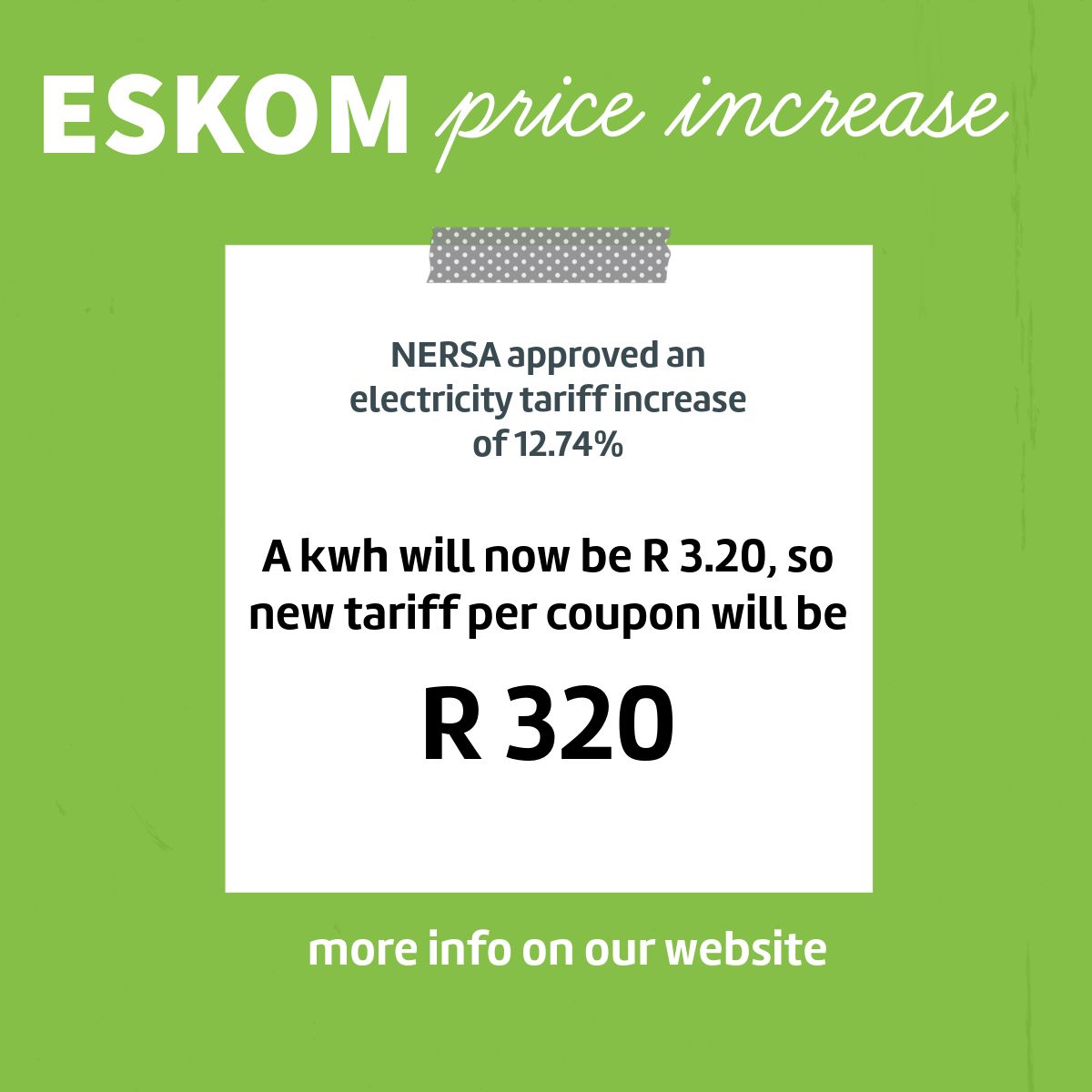
In April 2024, the National Energy Regulator of South Africa (NERSA) greenlit a substantial 12.74% hike in electricity tariffs to tackle Eskom’s financial woes. Eskom, the nation’s main power provider, has been grappling with hefty costs and significant debt, making this adjustment crucial to stabilize its operations.
The recent surge in monthly electricity bills is poised to heavily impact households, particularly those with lower incomes. For many families, this extra expense will strain already tight budgets, compelling them to scale back on essentials like food, healthcare, or education.
Several factors are driving the uptick in power prices in South Africa:
- Eskom’s Financial Challenges: High operational costs, debt burden, and the imperative for infrastructure maintenance and upgrades necessitate tariff hikes to ensure Eskom’s financial viability.
- Escalating Fuel Costs: The surge in coal and other fuel prices used in power generation directly affects electricity production expenses.
- Embracing Renewable Energy: Shifting towards renewable energy demands substantial capital investment, hence the call for higher tariffs.
- Economic Dynamics: Inflation and rising costs of materials and labor impact the overall expenses of electricity generation and distribution.
- Regulatory Processes: Tariff adjustments hinge on NERSA’s approval, which balances Eskom’s needs with the impact on consumers.
- Demand-Supply Disparities: High demand and constraints in supply can elevate operational costs, influencing tariff adjustments.
Examining South Africa’s Electricity Landscape
The 12.74% increase applies uniformly but impacts consumers differently based on location and billing method, whether prepaid or conventional. Different cities have varied base tariffs and service charges, resulting in significant variations in actual costs.
Cape Town stands out with the highest electricity prices for residential households consuming the national average of 900kWh per month through a single-phase connection. Johannesburg, on the other hand, distinguishes itself with substantial fixed charges for non-prepaid meter users, resulting in a considerable pre-consumption cost.
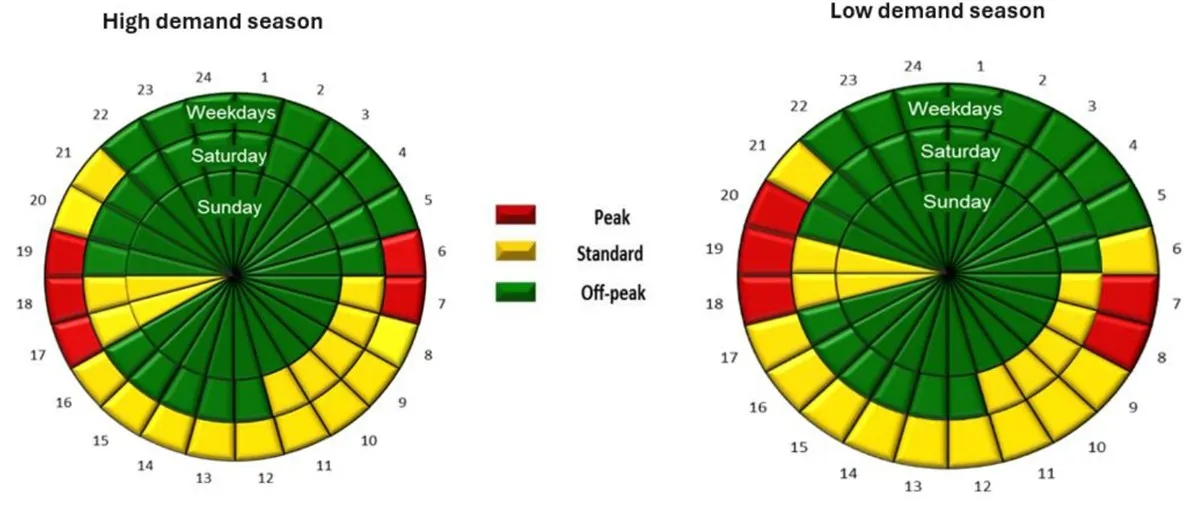
Durban boasts the lowest average monthly bill due to its relatively low tariffs and absence of basic service charges. Meanwhile, Bloemfontein offers the most affordable average kWh rate among the cities examined, employing a unique seasonal pricing model mirroring Eskom’s strategy for Direct customers.
What is the Multi-Year Price Determination (MYPD) Deal?
The Multi-Year Price Determination (MYPD) methodology serves as a regulatory instrument utilized by South Africa’s National Energy Regulator (NERSA) to establish electricity prices for Eskom, the primary electricity supplier.
The MYPD aims to provide a transparent and predictable framework for determining electricity tariffs over a multi-year span, typically ranging from three to five years.
This approach factors in various elements such as inflation, Eskom’s operational costs, infrastructure investments, and the imperative to ensure the utility’s financial sustainability, while also shielding consumers from sudden price hikes.